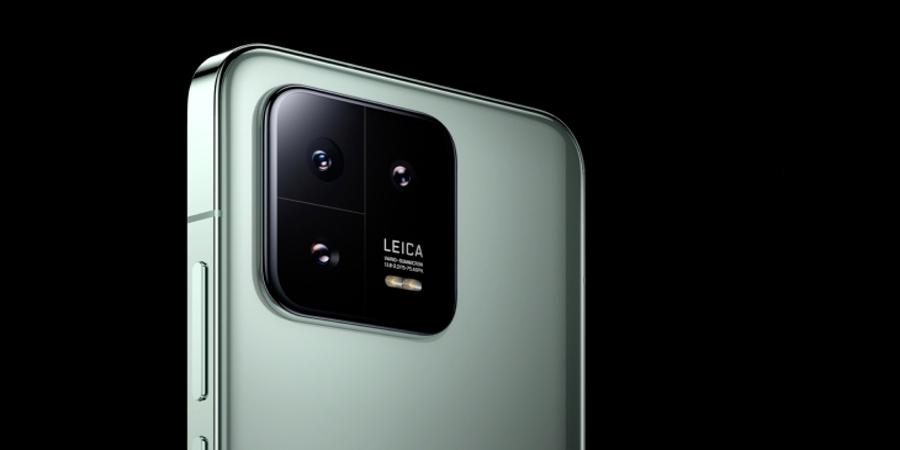
The Xiaomi 13 Pro flagship made a global debut today at Mobile World Congress (MWC) in Barcelona. With this device — which was launched in China in December — the company is banking on a one-inch main sensor, Leica lenses and 120W fast charging. This is, in essence, a Samsung Galaxy S series competitor.
Cameras have long been a major differentiating factor in today’s flagships. Xiaomi is using a massive one-inch Sony IMX989 50-megapixel sensor with f/1.9 aperture to get the best and brightest photos in all lighting conditions. A couple of phone manufacturers including Vivo and Sharp have already included this sensor in a few devices. The camera is capable of video recording in 8K resolution — 4K resolution at 60 fps if recording in Dolby Vision.
There’s also a 50-megapixel telephoto camera with a “floating lens” element, which results in a 3.2x lossless zoom. Plus, the device has another 50-megapixel ultrawide sensor. The 13 Pro has a 32-megapixel front camera with a night mode and dual-framing (0.8x and 1x) modes.
All those cameras and their Leica lenses are placed in a massive square housing on the back. While we’ve seen plenty of square camera bumps, the size really makes this one stand out.
Apart from the camera system, the Xiaomi 13 Pro’s spec sheet standard fare for a 2023 Android flagship. A Qualcomm Snapdragon 8 Gen 2 processor, 6.73-inch WQHD+ AMOLED display with 120Hz refresh rate and 1,900 nits of peak brightness, support for Dolby Vision, HDR10+, and HLG HDR standards, 12GB LPDDR5X RAM and USF 4.0 storage.
Xiaomi’s latest flagship has a 4,820 mAh battery that can be charged in minutes through a proprietary 120W charger. However, these charging bricks are huge and bulky. The device supports also 50W wireless charging with compatible charging pucks along with 10W reverse charging if you quickly want to top up your earbuds.
The 13 Pro will be available in ceramic white and ceramic black colorways with 256GB and 512GB storage variants. It will be available in Europe from March 8, starting at €1,200 ($1,373). Along with the new flagship, the company also launched the Xiaomi 13, with a starting price of €999 ($1,056) and the Xiaomi 13 Lite with a starting price of €499 ($527).
At present, Xiaomi is in a peculiar spot, globally. The company has fallen behind Apple, Oppo, Vivo, and Honor in China. India, where the phone maker has dominated the phone shipment ranking for the past few years, has conceded the top position to Samsung in the last quarter. It has also faced challenges in the South Asian country with the departure of top executives, anti-china sentiment, and tax investigations from regulatory bodies. Amid all this, Xiaomi really wants to deliver a winner.
Source @TechCrunch