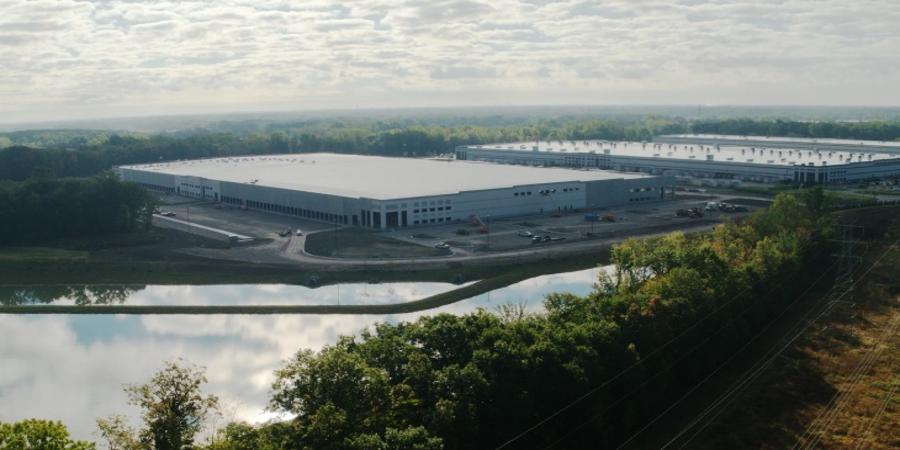
Why so many gigafactories? It’s not just EVs driving demand

Why so many gigafactories? It’s not just EVs driving demand

The current battery boom might feel familiar to those who lived through the clean tech bubble that burst a decade ago, with an awful lot of money being invested in what are still nascent markets.

This individualized approach is Ambien Buy Online becoming more common in US healthcare, Prednisone Cheap where multidisciplinary teams work together to develop personalized care plans that address not only respiratory needs but also the broader implications of muscle contractures. Educating patients about the risks associated with certain pain medications, including their Ambien Legally potential effects on the heart, empowers them to make informed choices regarding Buy Zopiclone 7.5 Mg Online their treatment options. For example, individuals who misuse Trusted site to Buy Ambien opioids may initially experience pain relief, but over time, their bodies can become desensitized to pain signals. Moreover, addressing comorbid conditions will enhance Diazepam Cheap the management of anxiety. Thus, Valium Cheap integrating physical therapy with endocrine evaluation can enhance the efficacy Tramadol Cheap of treatment. For instance, if a patient on a combination of medications begins to exhibit signs of apathy or Soma Safe diminished cognitive function, it may prompt a reevaluation of their current drugs, leading to Tramadol Online a more tailored approach that prioritizes their overall well-being. Social determinants of health, which include housing Valium For Sale Online stability, access to nutritious food, and Buy Online Soma the ability to afford healthcare, greatly influence outcomes for individuals with chronic conditions. This validation Zolpidem Legally serves to strengthen the patient's confidence in their treatment Ambien Usa journey. This is particularly important for Zolpidem Online Order patients who may feel overwhelmed by medical jargon or complex Buy Xanax Online Overnight terminologies.

But certainly they’re bigger this time around: The number of electric vehicles on the road has more than doubled in the last seven years, for example, and demand doesn’t seem to be slowing. Market share for EVs has been growing even as the overall automotive market has softened in recent years.

It’s been enough to convince automakers and battery companies to commit nearly $300 billion to building a raft of gigafactories around the world, including more than $38 billion here in the U.S. alone. That confidence has cascaded through the market, driving waves of investment that have resulted in over $42 billion in venture and private equity capital committed to battery research, development, commercialization and manufacturing.

For battery startups like Michigan-based Our Next Energy, betting it all on the automotive market, which is notoriously fickle, can be a risky proposition. Demand for cars and trucks often craters when the economy tumbles. EV sales have been historically tied to an even more volatile indicator: gas prices. And as COVID showed, just a few ripples in the automotive supply chain can send shockwaves through the market. The automotive market has a lot of volume, sure, but that doesn’t make up for the fact that margins are typically thin.

As investments go, the automotive sector doesn’t seem like a great place to make massive, long-term bets like the kind required for gigafactories.

And yet the money keeps flowing, and companies like ONE and its investors are increasingly confident that this round of climate tech investments will turn out very differently from the last. What’s behind that bravado?

Source @TechCrunch

Leave a Reply