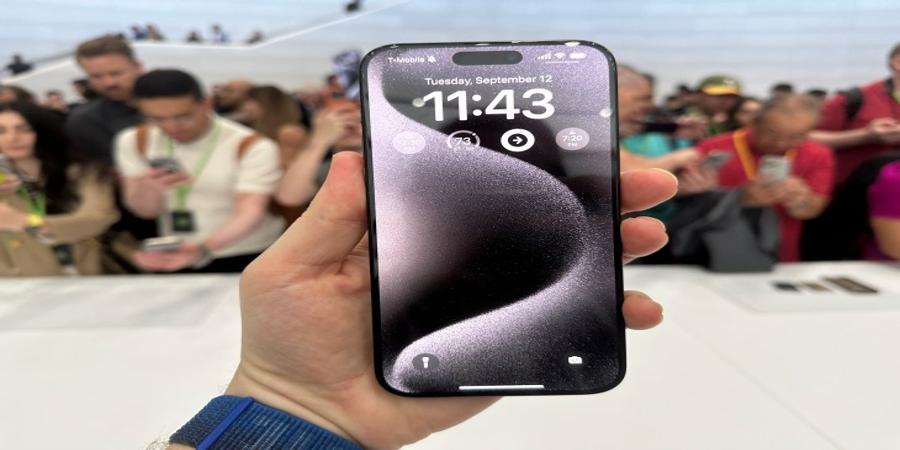
When Apple begins selling the iPhone 15 models in India next week, it will supposedly be offering units that were locally assembled in the country. Apple, like every other smartphone maker, is increasingly turning India into a global hub for manufacturing its handsets. But unlike other firms, Apple is avoiding one perk to consumers: Passing the benefits.
Despite the local iPhone assembly and the company’s contract partners reaping the rewards of New Delhi’s generous incentives, Apple’s iPhones remain prohibitively expensive in India.
The iPhone 15, which costs $799 in the U.S., will sell for 79,900 rupees ($965) in India. The $999 iPhone 15 Pro will trade at 1,34,900 rupees ($1,628), whereas the $1,199 iPhone 15 Pro Max will be made available at a record 1,59,900 rupees ($1,930). (The $799 iPhone 14 launched in India at 79,900 rupees [$1,087], whereas the $1,099 iPhone 14 Pro Max started at 1,39,900 rupees ($1,900) in the country. The Indian rupee has materially depreciated in value against dollar in the past year.)
Moreover, Apple has limited collaborations with local banks in India for convenient financing options, and trading in a year-old iPhone at its store in the country typically yields only about one-third of its original value ($603 on the $1,767 iPhone 14 Pro, anecdotally speaking).
For careful Apple observers, that’s not surprising at all — Apple has treated India as a second-class citizen for over a decade. Even after paying a hefty price, Apple customers in India will not get access to scores of services, including News+, Fitness+, and Apple Pay.
The Apple Card and its accompanying savings account feature in the U.S. are also absent from the Indian market. Apple Maps and Siri offer fewer features to Indian customers.
“Apple is increasingly participating in international markets, such as China and India, where local players, which are better situated, could leverage their position and pull on levers such as pricing to make the market more competitive,” JPMorgan analysts wrote in a note to clients last week.
Source @TechCrunch