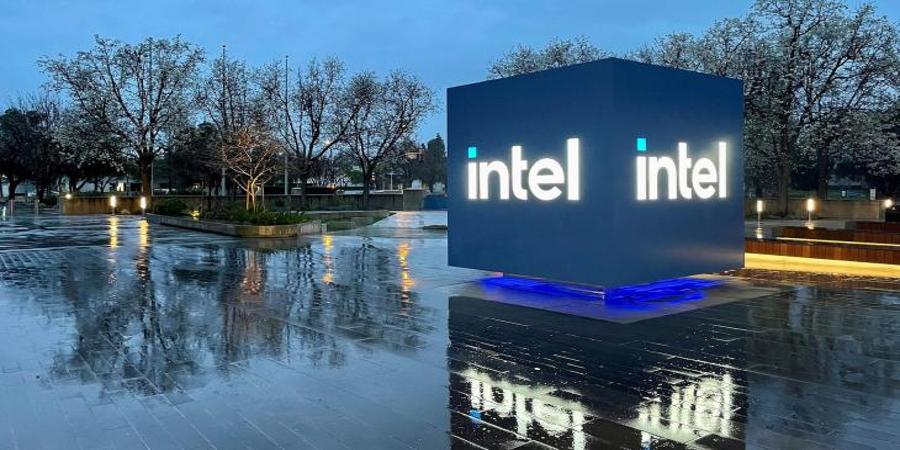
In 2021, Intel CEO Pat Gelsinger announced a comprehensive modernization strategy he dubbed IDM (integrated device manufacturing) 2.0. As part of that vision, the company announced a $20 billion investment to build two new Fabs (chip manufacturing facilities) in Arizona along with plans to increase capacity in other parts of the U.S. and Europe.
In a 2022 article, we described Intel’s new approach this way: IDM 2.0 involves a three-pronged approach to semiconductor manufacturing: Intel’s network of global factories, use of third-party capacity and building out Intel Foundry Services, moves the company beyond simply producing Intel-branded chips, but helping meet the growing needs for custom chips.
As part of that shift, Intel announced plans to acquire Tower Semiconductor, an Israeli chip manufacturer, for $5.4 billion in February 2022. That deal was killed yesterday when Intel announced it was walking away due to regulatory issues getting the deal approved, particularly in China.
At the time of the Tower acquisition announcement, Patrick Moorhead, lead analyst at Moor Insights & Strategy, said that the deal would have given Intel access to custom silicon it didn’t have — but the pitched political battle between the U.S. and China doomed the deal, and it’s going to be hard for Intel to replace that capacity.
“I am not shocked that China scuttled the Intel-Tower deal. The US and China have been in a tit-for-tat battle for the past 5 years on technology, and, unfortunately, both companies are in the crossfire. Intel now needs to determine how it will fulfill its end-to-end foundry vision,” Moorhead told TechCrunch.
Unfortunately, that vision is going to take a big hit with the end of the Tower deal, says Ray Wang, principal analyst and founder at Constellation Research. “Intel needs foundry capability, especially for 3nm future chips. They need to keep up with TSMC and others, and have fallen behind. Tower has great analog specialty chips that would have complemented Intel’s product line-up,” Wang said.
That means that fab production is going to be key, and Intel will have to focus more on newer chips and foundry capacity, he said.
Gartner analyst Raymond Paquet says that the failed deal is going to limit Intel’s modernization approach. “This is a setback for Intel and their foundry business. Tower would have provided Intel with more expertise and foundry customers,” he said. Acquiring these customers is going to be more difficult for Intel moving forward, and Intel will have to hire in-house expertise it would have gotten from Tower, Paquet said.
Let’s not forget this is not the first time a big chip deal has been canceled because of regulatory scrutiny. In February 2022, Nvidia announced that it was walking away from the deal to acquire Arm for $40 billion.
In 2021, we saw a flurry of chip company mergers, including that failed Nvidia deal, as well as several multibillion-dollar acquisitions that survived the regulatory process. That included AMD buying Xilinx for $35 billion, SK Hynix nabbing Intel’s memory unit for $9 billion, and Analog Devices acquiring Maxim for $21 billion.
The ongoing political battles between China and the U.S., especially around semiconductors, could prevent those kinds of high-profile deals from happening again anytime soon. “Given the circumstances of this deal not being completed, semiconductor M&A will be more difficult for everyone [moving forward],” Paquet said.
Source @TechCrunch