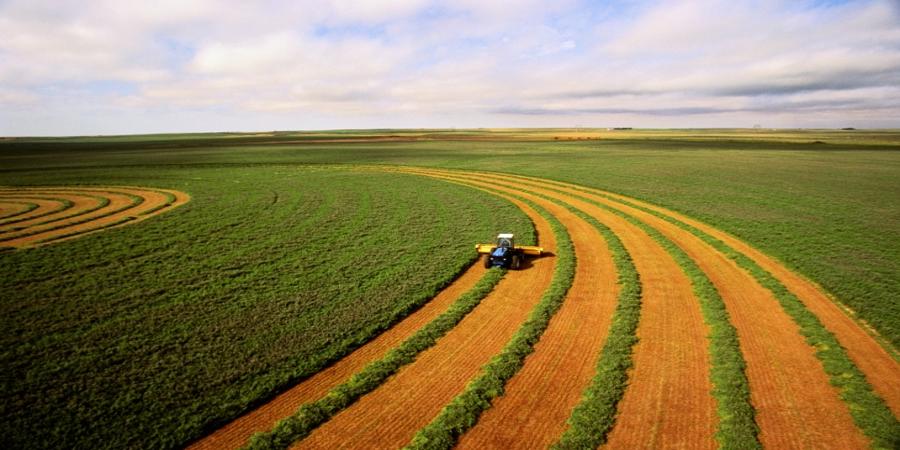
To state the (painfully) obvious: The fates of agriculture and climate change are inextricably linked.
The weather dictates what grows where and when, but as the Earth warms beneath a wool blanket of excess carbon, agriculture is especially vulnerable in ways you might not expect.
Record-setting heat and droughts fry grasses that farmers depend on to feed cattle, warmer temperatures are a boon for pests and fungi that harm crops, smoke from wildfires taint harvests, and extreme weather and rising seas make it more difficult to move everything (including food) around. The threats to food security and livelihoods go on and on.
Undoubtedly, this has some deal-makers in tech salivating. As startups look for ways to adapt the global food system to the chaos of today, we reached out to seven agtech investors to get a better understanding of how the climate crisis has informed their strategies to date.
“Climate challenges are not new to anybody operating in the broader food and agriculture space, so our approach is to invest in solutions that can help mitigate and adapt to climate change,” Yield Lab partner Camila Petignat told TechCrunch.
Themes the firm looks at “include soil and water conservation, improved use of crop inputs, the shift from chemical to biological crop protection solutions and reduction of food waste,” Petignat said.
“We could argue,” Petignat added, “that the increased awareness of carbon markets in recent years has triggered new opportunities at the intersection of agtech and fintech, a space that we are interested in.”
“India is one of the most vulnerable countries to climate change,” Omnivore managing partner Jinesh Shah told TechCrunch. “Agriculture represents 20% of India’s GHG emissions, but the sector is also incredibly vulnerable to the impacts of climate change, which may begin to threaten Indian food security in the coming decade.” he said. Agriculture is responsible for about a quarter of global greenhouse gas emissions, per the EPA.
Shah added that the firm’s strategy is to “invest in startups that align with one or more of our four key pillars — increasing smallholder profitability, enhancing smallholder resilience, improving agricultural sustainability and catalyzing climate action.” The investor went on to state that agtech in India must “evolve beyond digital technologies (farmer platforms and B2B marketplaces), and we look to agrifood life sciences for long-term solutions to climate change.”
Read the full survey to learn where investors are looking to invest, what’s on their minds right now, the best way to pitch and contact them, and understand which emerging technologies have captured their attention.
Source @TechCrunch