After a decade of frantic growth, China’s smartphone market is hitting a speed bump as COVID-19 roils the world’s second-largest economy.
The country’s smartphone shipments dropped 14% year-over-year in 2022, reaching a ten-year low, according to research firm Counterpoint. It was also the first time that China’s handset sales had slid below 300 million units in ten years, according to Canalys. Even in December, which has historically seen seasonal jumps in sales, China recorded a 5% quarter-to-quarter decline in smartphone shipments.
The three-year-long stringent “zero-COVID” policy that disrupted businesses and dampened consumer confidence, coupled with macroeconomic headwinds, spelled an end to China’s years of double-digit growth. Troubles mounted when the abrupt relaxation of COVID-19 restrictions in early December resulted in a surge in cases, further adding pressure to the waning economy. Last year, China’s GDP grew 3%, its lowest in decades other than 2020.
Alibaba’s annual shopping bonanza in November offered some clues to China’s weakening spending power. The event, which is often compared to Black Friday and seen as a bellwether for the country’s consumer appetite, did not disclose its final sales number in 2022 for the first time since its inception in 2009.
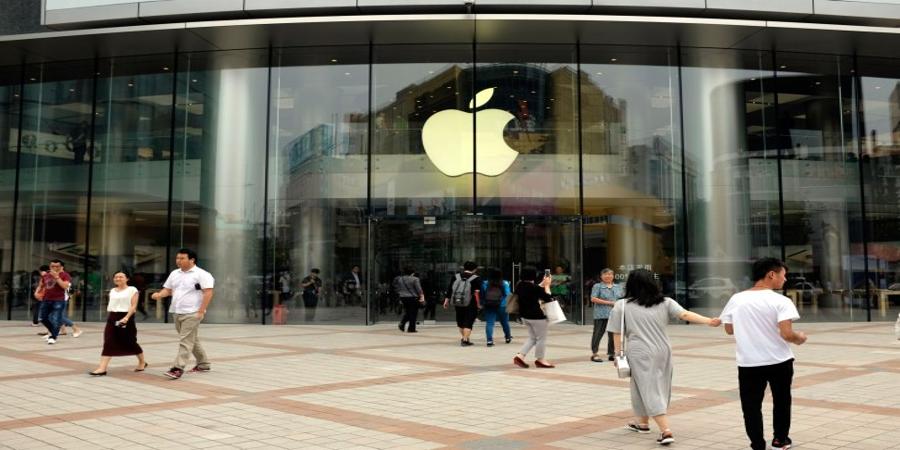
There was one winner in this gloomy time. Apple finished the year with an all-time high market share of 18% thanks to “its aggressive promotions” and “resilient” demand in the high-end segment in China, according to Canalys. Its ascent also coincides with Huawei’s fall from grace in the premium handset market since U.S. sanctions cut off its access to high-end chipsets.
Apple’s relationship with China remains a delicate one. The country is not only one of its biggest markets but has been the manufacturing backbone that created the world’s most valuable company today. In the past few years, however, COVID-related disruptions, such as a rare worker protest at a major Foxconn plant that delayed production, prompted the hardware juggernaut to rethink its supply chain strategy. The Wall Street Journal reported in early December that Apple was looking to relocate some of its supply chains out of China to other parts of Asia, including Vietnam and India.
India, in particular, is expected to play a bigger role in Apple’s supply chains as the firm plans to expand its manufacturing capacity in the country to produce 25% of all iPhones by 2025, according to JP Morgan analysts.
In Q4, the top smartphone brands in China by shipment were Apple, Vivo, Oppo, Honor (which was spun off from Huawei following U.S. sanctions on the parent firm), and Xiaomi.
Source @TechCrunch