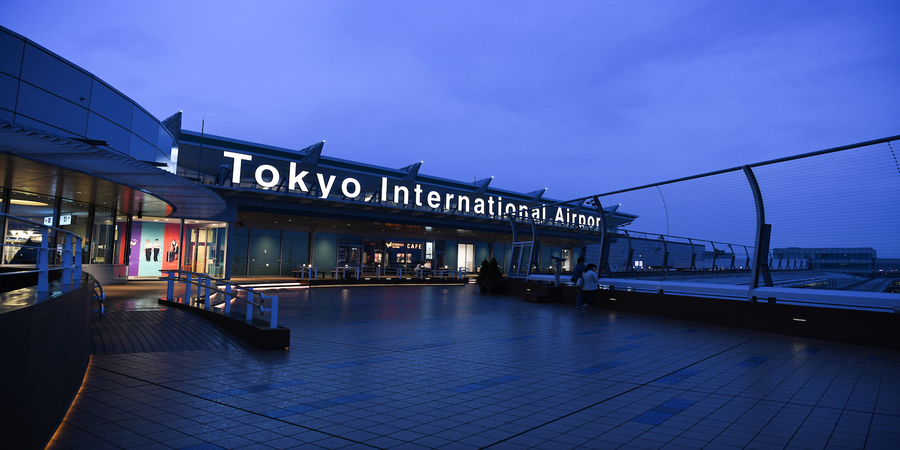
TOKYO – Japan will reopen borders for all foreign visitors with permits to stay in the country for some time, including students and business people, but excluding tourists, from October, Prime Minister Yoshihide Suga said Friday, in a major easing of entry restrictions imposed to tackle the coronavirus pandemic.
“To revitalize the economy, it is indispensable to resume international travel,” Suga told a meeting of a government task force on the coronavirus response, which made the decision on the condition that sufficient measures are taken to prevent the spread of the virus.
As fewer new infections have been reported in recent weeks, local authorities have cautiously lifted restrictions on social and economic activities, with the government extending support to the travel and other industries hit hard by the pandemic.
The government decided Friday that domestic trips to and from Tokyo will be included in its Go To Travel subsidy program from Oct 1. Such trips had been excluded from the program as the capital marked the highest number of infections among the 47 prefectures.
It also decided to launch another subsidy program in mid-October, in which discounts and coupons will be offered to those who purchase tickets for certain entertainment and cultural events.
In relaxing immigration restrictions, Japan will allow the entry of foreign nationals with permits to stay for three months or longer for purposes including engaging in medical, cultural and sports-related activities. Business trips for less than three months will also be allowed.
Those travelers must be accepted by entities or organizations capable of ensuring they have tested negative for the virus before entering Japan. After arrival, they have to stay in self-isolation for 14 days and avoid using public transportation during the period.
The government is considering limiting the number of entries to about 1,000 each day. At the same time, it will increase virus testing capacity at airports, government sources said earlier.
“We will start relaxing entry restrictions by looking at the situation of infections in each country and also considering the degree of need (for travel),” economic revitalization minister Yasutoshi Nishimura, who is also in charge of the response to the coronavirus, told a press conference.
The relaxation roughly coincides with the start of the fall semester at Japanese universities and comes ahead of the Tokyo Olympics and Paralympics, which were supposed to be held this summer but have been postponed to next year due to the global pandemic.
Japan currently imposes an entry ban on 159 countries and regions. Foreigners who have been to any of the places within 14 days of their arrival are being turned away, with some exceptions.
The government has started gradually rolling back its travel restrictions. Foreigners with resident status in Japan who had traveled outside the country have been allowed re-entry from September.
Expatriates and other long-term residents have been allowed to come from some Asian countries, including Vietnam and Thailand. Foreign students on government grants can also enter the country.
The government said Friday that Japan has agreed with Singapore and Brunei to mutually reopen their borders for newly arriving expatriates and other long-term residents, starting next Wednesday and Oct. 8, respectively.
They will be allowed in on condition they self-isolate for 14 days after entering the respective countries, the Japanese Foreign Ministry said.
The two Southeast Asian countries will join seven other economies, including Vietnam and Thailand, which have reached similar agreements with Japan.
Japan has seen more than 80,000 coronavirus infections with over 1,500 deaths, significantly less than hard-hit countries such as the United States, which is nearing 7 million infections.