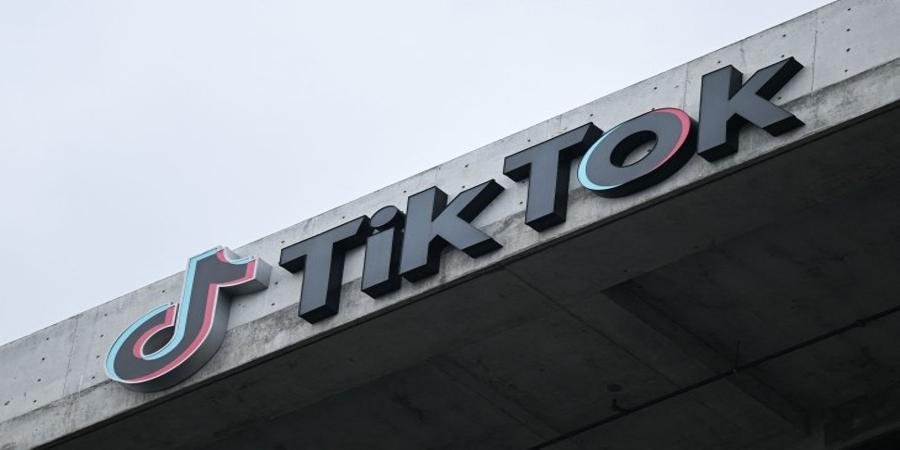
TikTok is losing even more songs over its quarrel with Universal Music Group (UMG), as the social media network is starting to remove songs published by UMG, the company confirmed to TechCrunch on Tuesday. The row between the two companies began last month when UMG announced that it failed to reach a deal with TikTok’s parent company, ByteDance, over royalties. As a result, TikTok had to remove songs owned or distributed by UMG by January 31. Now, the company has to remove songs that contain compositions controlled by Universal Music Publishing Group (UMPG).
TikTok says all songs that have been written or co-written by a songwriter signed to UMPG must be removed, and all videos that feature these songs must be muted. Videos that include impacted songs will still remain on the platform, but they won’t have any sound. The company says UMG and UMPG’s catalogue represents anywhere from 20-30% of popular songs on TikTok.
The change means that if a songwriter signed to UMPG contributed to even a small part of a song owned by another label, TikTok would have to remove it from its platform. The initial removal of songs owned and distributed by UMG largely impacted its own artists and songwriters, but this latest development means that some artists signed to other labels will also be impacted.
In order to be legally compliant and remove all content licensed by UMPG before the end of February, the company says it needs to start removing the songs now.
UMG did not respond to TechCrunch’s request for comment.
Last month, UMG wrote an open letter to artists and songwriters, in which it accused TikTok of attempting to “bully [UMG] into accepting a deal worth less than the previous deal, far less than fair market value and not reflective of their exponential growth.” The company also noted that TikTok accounts for just about 1% of its total revenue.
On the same day, TikTok published its own open letter, saying “it is sad and disappointing that Universal Music Group has put their own greed above the interests of their artists and songwriters.” The company said UMG’s action were “self serving.”
Although UMG says the changes won’t impact its revenue, they will certainly impact artists and songwriters, as they are no longer able to promote their music on one of the most popular social platforms, especially one that has been known for driving music discovery. Artists and songwriters will also be losing out on royalties earned from their music on TikTok.
UMG acknowledges these downsides, but noted in its letter that it has “an overriding responsibility to [its] artists to fight for a new agreement under which they are appropriately compensated for their work.”
Source @TechCrunch