The materials developer formerly known as ELeather has a new name and $18 million in fresh growth funding from some of the world’s fanciest brands.
Now going by Generation Phoenix, the upcycler says its new investors include Coach parent Tapestry, Jaguar Land Rover and Dr. Martens, plus lead investor Material Impact and prior investor Hermès.
The 15-year-old firm is based in Peterborough, U.K., and has worked with brands such as Nike and Delta. The upcycler intends to use the new cash to expand “into the luxury fashion and footwear categories,” Gen Phoenix said in a statement. The company claims it has diverted more than 8,000 tons of leather waste from landfills to date.
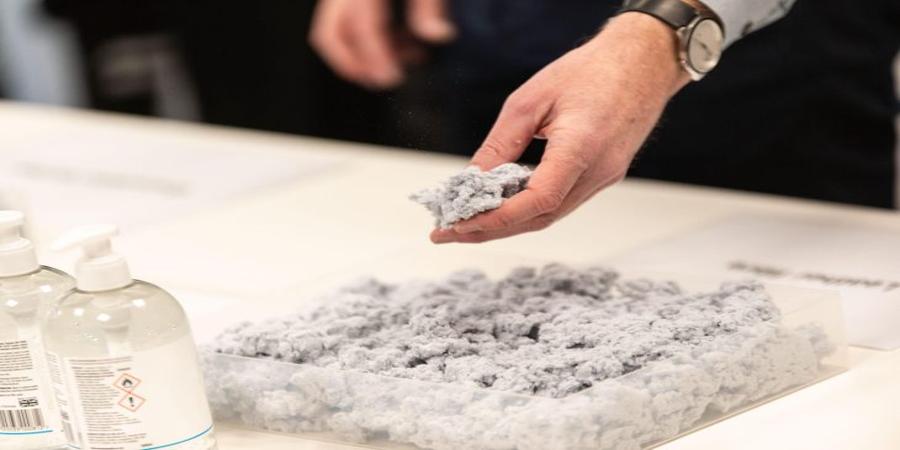
“Imagine what can happen when waste is no longer wasted,” Gen Phoenix says in an aspirational message on its new website. The upcycler tells TechCrunch that its “feedstock comes directly from tanneries where about 1/3 of a leather hide is typically discarded.” Turning the leather waste into a usable, leather-like product involves shredding and “entangling” it “around a high-performance core using nothing but high pressure water,” the firm said.
Gen Phoenix’s “recycled leather” is not entirely made of recycled materials. A spokesperson for the company tells TechCrunch that its products feature “up to 86% recycled content,” including recycled leather and recycled plastic. Still, the firm’s final product also contains virgin plastic.
Gen Phoenix founder and CEO John Kennedy explaining the company’s leather-like product. Image Credits: Gen Phoenix
Without sharing a specific deadline, a spokesperson for Gen Phoenix said the company aims to “reduce and eliminate virgin materials from their products completely.”
The upcycler is also “commercialising a bio-based coating system and bio-based substitutions for any synthetic materials used in the process,” the spokesperson added. Hopefully, we’ll soon see Gen Phoenix kick virgin materials altogether.
Zooming out: Gen Phoenix’s inclusion of plastics is hardly unusual, even for “sustainable” brands. Fossil fuel–based materials permeate the fashion business. Polyester? Nylon? Elastane? All plastic.
Even the rise of recycled plastic fabrics warrants deep skepticism; the resulting synthetic clothing is rarely recycled, and the microplastics they shed go basically everywhere, including the ocean, mountaintops, the insides of sea critters and even our own bodies. Addressing the industry’s climate and broader environmental toll demands rethinking everything, from how we dye fabrics to killing “fast fashion” altogether.
Source @TechCrunch